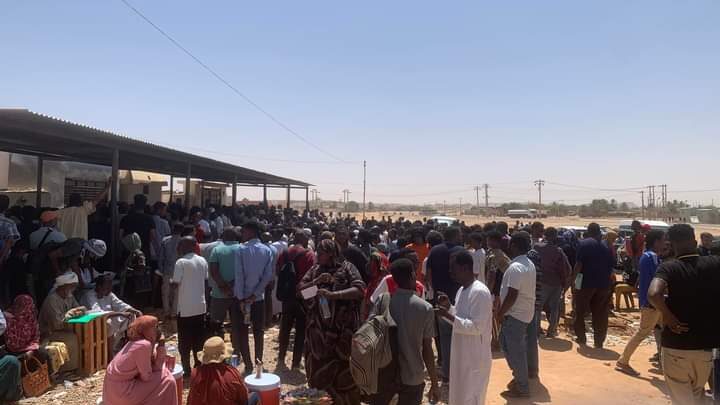
A Path Paved by Airlifts: Sudanese Refugees Begin the Journey Home Post-Darfur War
In a heartening display of international cooperation and humanitarian resolve, the United Nations Refugee Agency (UNHCR) embarked on a significant airlift operation, facilitating the voluntary repatriation of Sudanese refugees who had found sanctuary in the Central African Republic (CAR) for over a decade. This monumental vol rapatriement guerre initiative marks a critical juncture in the lives of thousands displaced by the brutal conflict in Darfur, offering them a long-awaited return to their homeland.
For many, the sight of a UNHCR-chartered aircraft arriving to take them home was more than just a means of transport; it was a symbol of renewed hope and the promise of rebuilding lives shattered by years of conflict. This organized flight repatriation, directly addressing the aftermath of the Darfur war, underscores the complex but vital process of healing and recovery in post-conflict regions. As Babar Baloch, a spokesperson for UNHCR, articulated in a statement summarized on October 28, 2022, the operation represents a tangible step towards enduring peace and stability for affected communities.
From Bambari to Nyala: The UNHCR Airlift Operation Takes Flight
The operation, which commenced in December 2017, saw the systematic return of Sudanese refugees from the Bambari refugee camp in the Central African Republic. These individuals had fled their homes in South Darfur in 2007, seeking refuge from the escalating conflict between Sudanese forces and various armed groups. Their temporary haven became the Pladama Ouaka camp, near the town of Bambari, a community that hosted them for over a decade.
The initial phase of this meticulously planned flight repatriation war effort saw more than 230 refugees arrive at Nyala airport in Sudan within the first few days. By the close of 2017, the UNHCR anticipated that a total of 66 chartered flights would bring approximately 1,500 refugees back to their villages. This was no simple journey; it involved intricate logistics and coordination between the UNHCR and the governments of Sudan and the CAR. Upon arrival in Nyala, the capital of South Darfur State, the returnees were temporarily housed in a transit center before continuing their journey to their original villages, primarily in Dafag, located some 350 kilometers from Nyala.
Behind the Scenes: Ensuring a Smooth Transition
- Logistical Masterpiece: The UNHCR provided comprehensive support, covering both air and ground transportation, ensuring a seamless journey from the refugee camps to their final destinations.
- Essential Aid Packages: Each returning family received vital assistance packages designed to help them re-establish their lives, including food, non-food items, and materials for shelter.
- Land Allocation and Reintegration: Crucially, the repatriated refugees were allocated land upon their return, a fundamental step towards re-establishing their livelihoods and integrating back into their communities.
- Government Commitments: The Government of Sudan pledged to uphold international standards for refugee returns, including granting amnesty to returnees, and committed to allowing UNHCR to monitor the returns to ensure their safety and dignity.
These measures are critical not only for the immediate well-being of the returnees but also for fostering long-term stability and preventing future displacement.
The Echoes of Darfur: Understanding the Conflict and Displacement
To fully grasp the significance of these repatriations, it's vital to remember the devastating conflict that led to the initial displacement. The war in Sudan's Darfur region erupted in February 2003, when rebel groups launched an insurgency against the government. The ensuing conflict spiraled into a humanitarian catastrophe, claiming the lives of tens of thousands and forcibly uprooting millions of people within Sudan and beyond its borders.
For those who fled to the Central African Republic in 2007, the memories of violence and uncertainty were etched deep. They endured years of exile, dreaming of a day when peace would allow them to return. The Darfur crisis stands as a stark reminder of the profound human cost of prolonged conflict, where entire communities are torn apart, and generations bear the scars of violence and displacement. The journey home, therefore, is not merely a physical one but also an emotional and psychological pilgrimage towards healing.
Paving the Way Home: Improved Security and Reintegration Efforts
The decision by refugees to express their intention to return home at the end of November 2017 was not made lightly. It was directly influenced by a palpable improvement in the security situation in Darfur, coupled with the progressive disarmament of armed groups. This positive shift is a testament to sustained efforts by various actors, including the signing of peace agreements between some armed groups and the government, as well as the crucial role played by the hybrid UN-African Union peacekeeping mission (UNAMID).
For more detailed insights into how these changes have fostered returns, you can refer to Improved Security Fuels Return: Repatriation Efforts in Post-Conflict Darfur. The gradual stabilization has made many areas of South Darfur more conducive for returnees. Furthermore, a growing number of rapid recovery and development initiatives have begun to rebuild essential services and infrastructure, creating environments where returnees can hope to rebuild their lives sustainably.
Tips for Sustainable Reintegration:
- Community Engagement: Successful reintegration hinges on active participation from both returnees and host communities, fostering mutual understanding and support.
- Livelihood Opportunities: Providing access to agricultural land, vocational training, and micro-finance initiatives is essential for economic self-sufficiency.
- Access to Basic Services: Rebuilding and strengthening schools, health clinics, and water infrastructure ensures dignity and quality of life for all residents.
- Psychosocial Support: Addressing the trauma of conflict and displacement through counseling and community-based support programs is vital for long-term well-being.
- Peacebuilding Initiatives: Continuous efforts to promote reconciliation and social cohesion can prevent the resurgence of conflict and ensure lasting peace.
More Than Just a Journey: The Significance of Voluntary Repatriation
The UNHCR's operation highlights the fundamental principles of humanitarian assistance, particularly the emphasis on "freely consented" repatriation. This stands in stark contrast to historical instances of forced expulsions or involuntary returns, which have often been marked by severe human rights abuses and profound injustice. Consider, for example, the post-World War I expulsions from Moselle (Lorraine) between 1918 and 1921, where French authorities sought to "cleanse" the region of Germans. Nearly 100,000 Germans were forced to leave, often enduring harrowing train journeys, sequestration of property, and being allowed only minimal cash and hand luggage. Those who remained lived under constant fear of denunciation, often prompting "voluntary" repatriation under duress.
This historical context underscores the critical difference. The Sudanese vol rapatriement guerre by air, in this instance, is not a forced exodus but an organized, dignified return supported by international law and humanitarian principles. It respects the agency and choice of the refugees, providing them with aid and assurances for their future. This distinction is crucial for understanding the complexities of post-war population movements and is further explored in Voluntary vs. Forced Return: The Complexities of Post-War Repatriation.
The voluntary nature of the Darfur repatriation means that refugees make an informed decision to return, confident (or at least hopeful) in the improved conditions in their homeland. This approach is not only ethically sound but also strategically more effective, as returnees who feel respected and supported are more likely to contribute positively to reconstruction and peacebuilding efforts.
Conclusion
The UNHCR's airlift operation for Sudanese refugees returning from the Central African Republic is a powerful narrative of resilience, hope, and the unwavering commitment of humanitarian organizations. While the Darfur conflict has displaced millions—with approximately two million internally displaced persons still in the region—every individual return through a safe and dignified flight repatriation war effort is a victory for humanity. It demonstrates that with persistent peacebuilding, dedicated support, and respect for individual choice, even the deepest wounds of war can begin to heal, allowing communities to look forward to a future built on stability and prosperity.